
Finding out that there may be an outstanding warrant can be stressful, but knowing where to look for information can make the situation easier to understand. A warrant search in Wichita KS can help individuals check available warrant information and determine what steps they may need to consider. For people looking for information about warrants in the area, the Wichita and Sedgwick County warrant search is an important starting point.
Understanding what a warrant is, how warrant information can be searched, and what different types of warrants mean can help people approach the situation responsibly. Eastep Bail Bonds provides information and assistance for people dealing with warrant-related situations in Wichita and Sedgwick County.
What Is a Warrant Search in Wichita, KS?
A warrant search is a way to look for information about outstanding warrants. In Wichita and Sedgwick County, the warrant search process provides access to information about active warrants through an online database.
According to the information provided by Eastep Bail Bonds, the Wichita-Sedgwick County warrant search is available online and can be accessed by anyone with an internet connection. The database covers active warrants, including felony and misdemeanor warrants.
A warrant search can be useful when someone wants to determine whether a warrant may be associated with their name. It can also help people understand whether a legal matter may require prompt attention.
Because warrants can relate to different circumstances, understanding the information available through a search is important. A search can provide a starting point for determining what action may be necessary.
Understanding the Sedgwick County Warrant Search
The Sedgwick County warrant search is described as an online resource for finding outstanding warrants in the county. The database is intended to provide information about active warrants and can be accessed from a device with an internet connection.
The warrant information may include warrants associated with both felonies and misdemeanors. Common situations connected with warrants can include traffic violations, missed court appearances, and unpaid child support, among other circumstances.
For individuals searching for current information, the page recommends using the Sedgwick County Sheriff’s Office Warrant Search for detailed information.
Why Check Warrant Information?
Checking warrant information can help people become aware of a pending legal matter rather than remaining unaware of it. Knowing whether an active warrant exists can provide an opportunity to understand the situation and consider the appropriate next step.
A warrant should not simply be ignored. Addressing the situation promptly can help prevent additional legal issues, according to the information provided by Eastep Bail Bonds.
How to Look Up Warrants in Wichita
Looking up a warrant in Wichita does not have to be complicated. The page recommends several ways to approach a warrant search.
1. Use Online Tools
The first option is to use the Wichita-Sedgwick County warrant search online database. This allows individuals to check available information about active warrants.
Online access can make the initial search convenient because the database can be accessed through an internet-connected device.
2. Contact Local Authorities
If you need guidance or confirmation, the page recommends contacting the Wichita Police Department or the Sedgwick County Sheriff’s Office directly.
Speaking with the appropriate local authority can help when additional confirmation or guidance is needed.
3. Seek Assistance With the Next Steps
If the search identifies an active warrant and bail-related assistance is needed, Eastep Bail Bonds can help people navigate the warrant and bail process.
The company states that its team is available around the clock to provide guidance and support.
What to Do If You Find an Active Warrant
Discovering an active warrant can be concerning. The most important point presented on the Eastep Bail Bonds page is to address the warrant without unnecessary delay.
Act Without Delay
An outstanding warrant can create additional legal concerns if it remains unresolved. The page advises addressing the warrant as soon as possible.
Understand Your Situation
Before taking action, it is useful to understand what type of warrant is involved and why it was issued. Different warrants can serve different purposes, so identifying the nature of the warrant is an important part of understanding the situation.
Get Appropriate Assistance
Eastep Bail Bonds can provide assistance with the bail process when someone needs help after an arrest or in a situation involving bail. Its team can explain the process and help with the steps involved in posting bail.
Common Types of Warrants
Warrants can have different purposes. Understanding the basic types can make warrant information easier to interpret.
Arrest Warrants
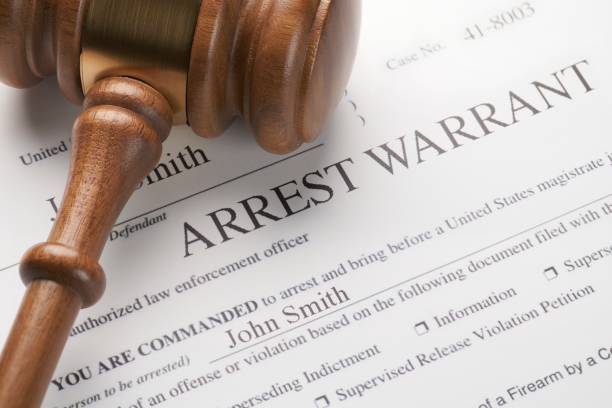
An arrest warrant authorizes law enforcement to detain an individual suspected of committing a crime. The page describes this type of warrant as being issued by a judge.
Bench Warrants
A bench warrant is commonly associated with a failure to appear in court as required. Its purpose is generally to compel the person to attend a scheduled court hearing.
Search Warrants
A search warrant permits authorities to legally search a specific location for evidence connected with a criminal investigation.
Execution Warrants
An execution warrant can be issued to carry out a court order. The page gives examples that include seizing property or enforcing a judgment to satisfy a debt.
Fugitive Warrants
A fugitive warrant can be used to locate and apprehend an individual who has left the area or fled to avoid prosecution or punishment.
Understanding these distinctions is useful when reviewing the results of a warrant search.
Common Reasons Warrants Are Issued
Warrants may be issued for different legal reasons. The source page explains that arrest warrants can be issued when police or prosecutors have probable cause to believe someone committed a crime.
Bench warrants can be issued when someone misses a required court appearance. The page notes that this can include matters such as traffic tickets.
Other circumstances identified on the page include failure to pay court fines, child support, or restitution. Warrants can therefore relate to different types of legal obligations and situations.
Knowing the possible reason for a warrant can help provide context when reviewing warrant information.
What Happens If You Ignore a Warrant?
Ignoring an active warrant does not resolve the underlying legal matter. The Eastep Bail Bonds advises people to address an outstanding warrant as soon as possible to avoid further legal issues.
If you discover a warrant through a Wichita warrant search, taking the information seriously is an important first step. You may need to contact the appropriate local authority for guidance or seek assistance with the bail process if an arrest occurs.
The goal is to avoid allowing an unresolved legal matter to become more difficult to manage.
Why Warrants Matter
Warrants are legal tools used to enforce certain legal requirements and authorize specific actions.
According to the information on the page, warrants can help enforce legal obligations and ensure individuals comply with court directives. They can also authorize law enforcement to take action intended to safeguard the community.
This is why understanding warrant information matters. A warrant is not simply a database entry. It can represent a legal matter that requires attention.
Information Used to Obtain a Warrant
Before a warrant can be issued, certain information may need to be presented to the court.
The page identifies several key categories of information:
Suspect Information
This can include identifying details such as the person’s name, address, and other relevant identifiers.
Description of the Alleged Crime
The court may receive information describing the offense or legal violation connected with the warrant request.
Evidence and Supporting Facts
Supporting information can include documents, witness statements, or other information used to justify the request.
Understanding the Warrant Issuance Process
The page describes the warrant process in Sedgwick County as involving several stages.
Submission
Law enforcement presents a formal request to the court.
Review
A judge or magistrate reviews the request to determine whether it meets the required legal standards.
Approval
Once the request is verified and approved, the warrant is issued and becomes active, authorizing officers to act.
Understanding this basic process can make warrant-related information easier to follow.
How a Bail Bondsman Can Help
A bail bondsman can be helpful when someone needs assistance with the bail process. Eastep Bail Bonds explains that its team can discuss the situation, explain available options, and outline the next steps.
The page also identifies financial flexibility as one benefit of using a bail bond. According to the provided information, a bail bond can cover most of the bail amount while the client pays a fee rather than using the full bail amount from personal savings or assets.
Eastep Bail Bonds also states that its team is available 24/7 for bail bond assistance.
Bail Bonds Process
The page outlines three basic stages in its bail bond process.
1. Initial Consultation
The process begins with discussing the situation, available options, and the next steps.
2. Posting Bail
The team arranges the bail so the person can return home after the bail has been posted.
3. Legal Support
Eastep Bail Bonds provides guidance and resources to help people understand and navigate the bail process.
| Stage | What It Involves |
|---|---|
| Initial consultation | Discussing the situation, options, and next steps |
| Posting bail | Arranging the bail process |
| Legal support | Providing guidance and resources about the process |
Conclusion
A warrant search can be an important first step for anyone trying to determine whether an outstanding warrant may exist in Wichita or Sedgwick County. The available online warrant database provides a way to look for active warrant information, while local authorities can provide guidance and confirmation when needed.
If you discover an active warrant, addressing the matter promptly is important. Understanding the type of warrant, why it may have been issued, and what steps may be involved can help you approach the situation responsibly.
For people who need bail-related assistance, Eastep Bail Bonds provides guidance through the bail process, including consultation, posting bail, and related support. The company states that its team is available 24/7.
If you have questions about the bail process or need assistance with a situation involving bail, contact us at Eastep Bail Bonds to discuss the next steps.
Frequently Asked Questions
What is a warrant?
A warrant is an official document from a judge that allows police to take specific legal actions, such as making an arrest, searching a home, or taking property.
How can I find out if I have a warrant?
You can begin by using the Wichita-Sedgwick County warrant search online database. The page also recommends contacting the Wichita Police Department or Sedgwick County Sheriff’s Office for guidance and confirmation.
What should I do if I have an active warrant?
The page recommends addressing an active warrant without delay. Eastep Bail Bonds can provide assistance with the bail-related process when applicable.
What kinds of warrants are there?
The page discusses arrest warrants, bench warrants, search warrants, execution warrants, and fugitive warrants. Each type has a different purpose.
Why would a judge issue a bench warrant?
A bench warrant may be issued when someone fails to appear in court as required. The page notes that missed court appearances can include matters such as traffic violations.
Can unpaid fines or child support lead to a warrant?
The page identifies failure to pay court fines, child support, or restitution among circumstances that can result in warrants.