
Kansas bail laws continue to evolve, and one of the most significant recent changes is the passage of House Bill 2444. While many people have heard that the law affects bail, few understand what actually changed or how it may impact someone who has been arrested.
If you or a loved one is facing criminal charges in Kansas, understanding these changes is important. House Bill 2444 modifies how courts handle certain defendants during the pretrial release process and changes when judges may require a secured appearance bond instead of releasing someone on their own recognizance.
For families trying to navigate the legal system, knowing what these changes mean can help eliminate confusion and prepare you for what may happen at the first court appearance.
What Is House Bill 2444?
House Bill 2444 is a Kansas law that revised portions of the state’s pretrial release procedures. The legislation was designed to address situations involving defendants who are already under court supervision or who allegedly commit new felony offenses while another felony case is still pending.
Prior to these changes, judges often had broader discretion when determining whether a defendant could be released without posting a financial bond.
House Bill 2444 now establishes additional requirements in certain qualifying cases before a defendant can be released without a secured bond.
It is important to understand that this law does not eliminate Own Recognizance (OR) bonds for every criminal case. Instead, it applies to specific circumstances identified by Kansas law.
What Is an Own Recognizance (OR) Bond?
An Own Recognizance bond, commonly called an OR bond, allows a defendant to be released from custody without posting a financial bond.
Instead of paying money to secure their release, the defendant signs an agreement promising to:
- Return for all future court appearances
- Follow every condition ordered by the court
- Comply with Kansas law while the case is pending
OR bonds have historically been used in many lower-risk cases where the court believes the defendant is likely to appear for future hearings.
However, House Bill 2444 limits when OR bonds may be available for certain defendants who meet the criteria outlined in the statute.
What Is a Secured Appearance Bond?
A secured appearance bond requires financial security before a defendant can be released from jail.
The security may be provided through:
- A cash bond
- A professional surety bond
- Other forms of security approved by the court
The purpose of a secured bond is to help ensure the defendant returns for future court appearances while allowing them to remain out of custody as their criminal case proceeds.
Depending on the circumstances, judges may now be required to impose a secured appearance bond in situations where an OR bond may have previously been considered.
Who Does House Bill 2444 Affect?
Not every defendant falls under the requirements of House Bill 2444.
The law primarily addresses certain defendants who are alleged to have committed a new felony offense while:
- Out on bond for another felony case
- On probation
- On parole
- On postrelease supervision
In qualifying situations, Kansas law now requires additional findings before a court may reduce or modify the secured bond requirement.
Because every criminal case is unique, the court reviews each situation individually before determining appropriate bond conditions.
What Does This Mean for Families?
For families, the most noticeable change is that financial bonds may become more common in cases covered by House Bill 2444.
Many people still assume every defendant can receive an OR bond if they voluntarily appear in court or have strong family support.
That is no longer always the case.
Depending on the charges and the defendant’s legal status at the time of the alleged offense, the court may be required to order a secured appearance bond before release.
Understanding this possibility allows families to prepare rather than being surprised during the first court appearance.
How House Bill 2444 Affects Sedgwick County
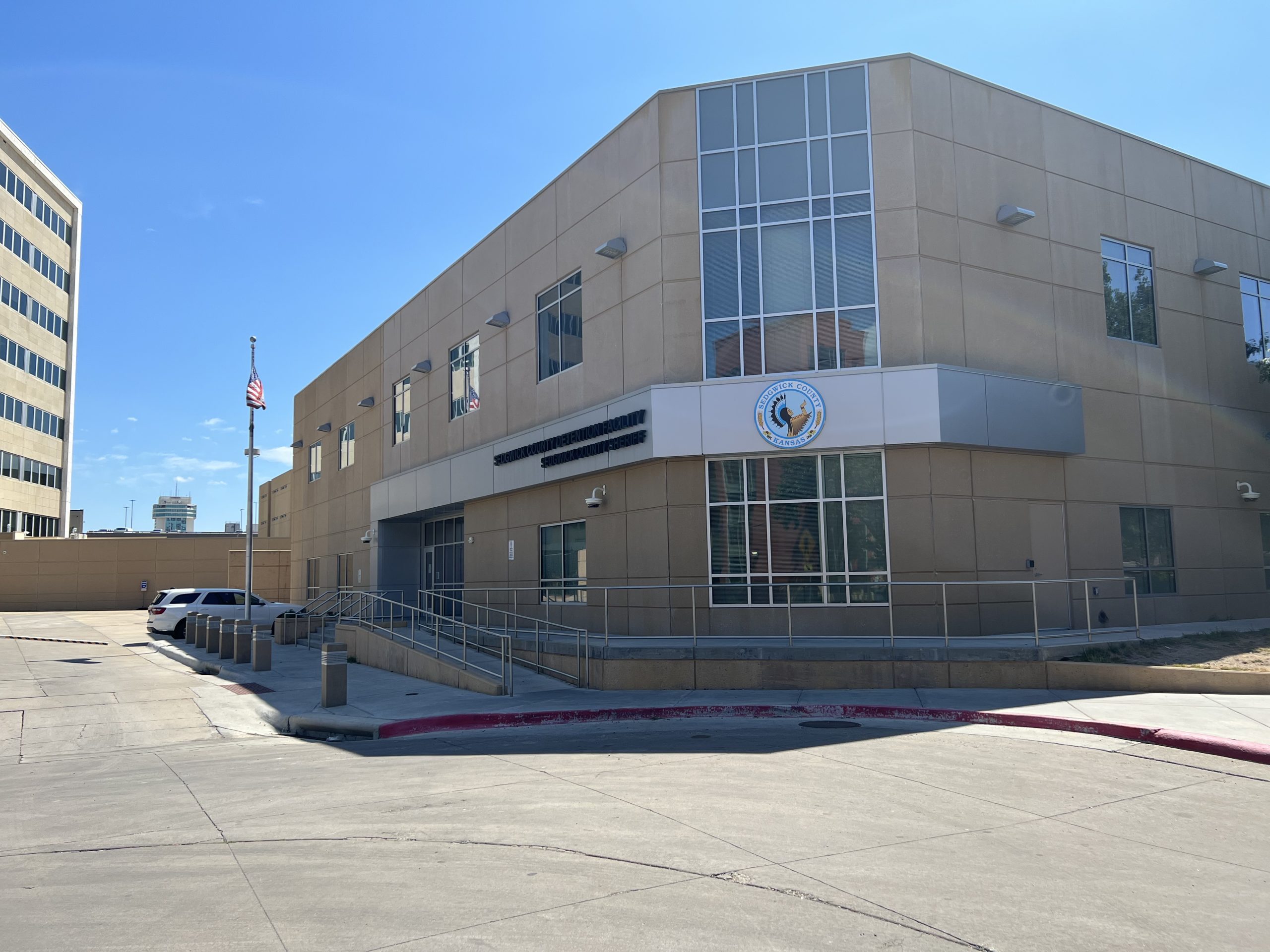
Although House Bill 2444 is a statewide Kansas law, defendants appearing in Sedgwick County District Court may notice changes in how bond decisions are made in qualifying cases.
When a judge determines that House Bill 2444 applies, the court must follow the statutory requirements before modifying or reducing the bond.
That means some defendants who previously may have expected an OR bond could instead receive a secured appearance bond.
While each judge evaluates the facts of the individual case, families should understand that recent Kansas law has changed the framework used for certain bond decisions.
Understanding Local Rule 303
Even when a judge orders a secured appearance bond, many families mistakenly believe they must immediately pay the full bond amount.
That is often not the case.
In Sedgwick County, Local Rule 303 establishes procedures governing professional surety bonds, including minimum premium requirements and payment timelines that licensed bail bond companies must follow.
Understanding these local procedures can help families better prepare for the financial aspects of posting bond.
Rather than assuming the entire bond amount must be paid in cash, it is often helpful to understand how professional surety bonds work under local court rules.
How Senate Bill 473 Helps Families
Kansas lawmakers also enacted Senate Bill 473, which modernized portions of the state’s bail bond laws.
One of the practical benefits for many families is additional flexibility regarding payment arrangements for qualifying surety bonds.
Unexpected arrests often create unexpected financial burdens.
By allowing payment options that comply with Kansas law and local court rules, families may have more opportunities to secure a loved one’s release without immediately producing the full amount of the bond.
Every bond is different, and payment eligibility depends on the individual circumstances of the case.
How to Prepare Before Going to Court
Whether you are appearing at a first appearance, warrant hearing, or another court proceeding, preparation can make the process less stressful.
Consider gathering:
- A valid government-issued photo ID
- Any paperwork related to your case
- Your case number, if available
- Contact information for your attorney
- Information regarding your current bond or warrant
If you believe the court may set a secured appearance bond, speaking with a licensed bail bondsman before your hearing can also help you understand the process and prepare for the court’s decision.
Being informed ahead of time often allows families to respond more quickly if a bond is ordered.
Frequently Asked Questions
Did House Bill 2444 eliminate OR bonds in Kansas?
No. OR bonds are still available in many cases. House Bill 2444 limits their availability for certain defendants who meet specific statutory criteria.
Does every felony case require a secured bond?
No. Bond decisions remain based on the individual facts of each case and applicable Kansas law.
Can a judge still change a bond?
Yes. Judges retain authority over bond decisions, but House Bill 2444 establishes additional legal requirements in certain qualifying cases before a secured bond may be modified.
What is the difference between an OR bond and a surety bond?
An OR bond allows release without financial security, while a surety bond requires financial backing through a licensed bail bond company or another approved form of security.
What should I do if I think a bond will be set?
Preparing in advance by understanding the process and speaking with a licensed bail bondsman can help you respond quickly if the court orders a secured appearance bond.
Staying Informed Can Make a Difficult Situation Easier
Kansas bail laws continue to change, and House Bill 2444 represents one of the most significant recent updates affecting pretrial release in qualifying cases. Understanding when secured appearance bonds may be required, how OR bonds differ, and how local procedures work can help families make informed decisions during an already stressful time.
If you have questions about a recent arrest, an upcoming court appearance, or how a secured appearance bond may work in Sedgwick County, the team at Eastep Bail Bonds is here to explain your options, answer your questions, and help you navigate the bail process with confidence.