
What Happens After Someone Is Arrested in Wichita, Kansas?
Getting a phone call that a friend or family member has been arrested can be overwhelming. Most people immediately begin asking questions about where the person is being held, what charges they are facing, whether they can be released, and how long the process will take.
If you are wondering what happens after someone is arrested in Wichita, Kansas, understanding the steps involved can help remove some of the uncertainty. While every case is different, most arrests follow a similar path through the criminal justice system.
From booking and bond to court appearances and release conditions, knowing what to expect can help families make informed decisions during a stressful situation.
Step 1: Transportation to the Jail
After an arrest is made, law enforcement officers typically transport the individual to the detention facility for processing.
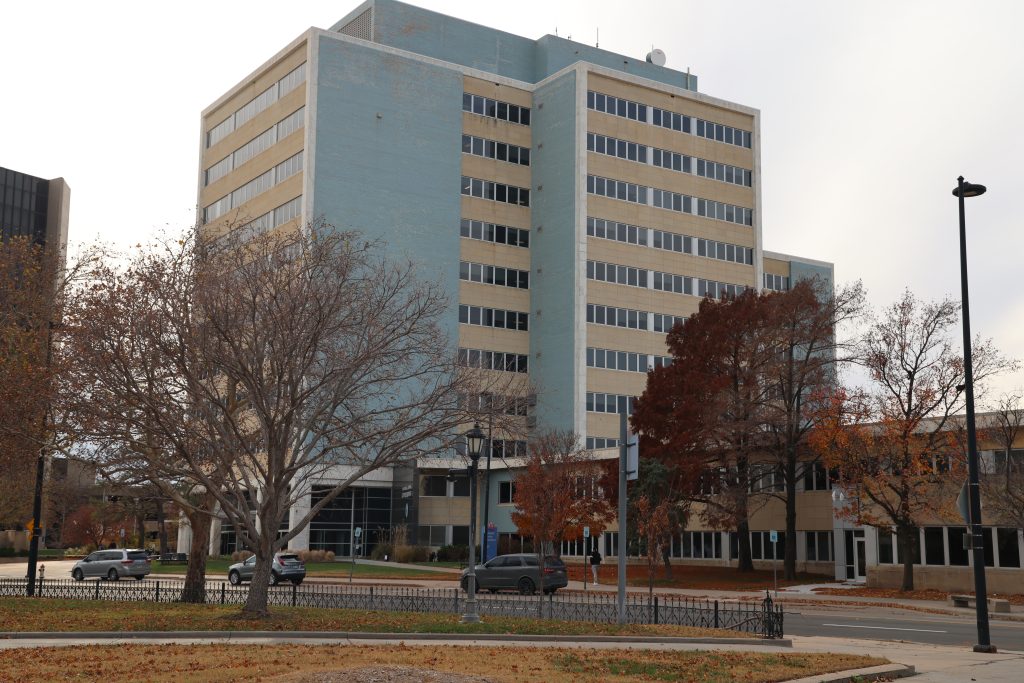
Most individuals arrested within Wichita or elsewhere in Sedgwick County are taken to the Sedgwick County Adult Detention Facility.
At this point, the person is officially in custody and begins the booking process.
Many families expect immediate answers after an arrest, but information may be limited during the first several hours while jail staff complete intake procedures.
Step 2: The Booking Process Begins
Booking is the process of entering an arrested individual into the jail system.
During booking, detention staff collect and verify information about the inmate and the arrest.
This process commonly includes:
- Fingerprinting
- Mugshots
- Recording criminal charges
- Identity verification
- Background checks
- Medical screening
- Property inventory
- Housing assignment
The booking process is required before an inmate can appear in jail records or be considered for release.
Depending on inmate volume and staffing levels, booking may take several hours.
Step 3: Jail Records and Inmate Information Become Available
Once booking has been completed, inmate information generally becomes available within the jail’s records systems.
Information may include:
- Custody status
- Criminal charges
- Booking date
- Housing assignment
- Bond information
This is often the point where families begin obtaining answers regarding the next steps in the case.
If someone was arrested recently and cannot be located, there is a good chance the booking process is still underway.
Step 4: Bond Is Determined
One of the most important stages following an arrest is determining whether bond is available and what amount has been set.
Bond may be determined through:
- Established bond schedules
- Judicial review
- First court appearances
- Release conditions imposed by the court
The type of charge often affects how quickly bond information becomes available.
Some individuals receive bond amounts relatively quickly, while others must appear before a judge before release conditions can be established.
Step 5: The Family Decides How to Post Bond
Once bond information becomes available, families generally have several options.
Cash Bond
A cash bond requires payment of the entire bond amount directly to the court or jail.
For many people, paying the full amount is not financially practical.
Professional Surety Bond
A licensed bail bondsman posts the bond on behalf of the defendant.
This option allows families to secure a release without paying the full bond amount upfront.
Own Recognizance Release
In some situations, a judge may allow release without requiring a financial bond.
The defendant agrees to appear for future court dates and comply with court-ordered conditions.
The release option available depends on the facts of the case and the court’s decisions.
Step 6: Bond Is Posted
After the required paperwork is completed, the bond is submitted to the jail.
Many families assume the inmate will walk out immediately once bond is posted.
Unfortunately, that is rarely the case.
Several additional steps must occur before release is finalized.
Jail staff must verify the bond, complete administrative reviews, and prepare release paperwork.
Only after these procedures are completed can the inmate be released from custody.
Step 7: Release Processing
Release processing begins after the jail accepts the bond.
The timeline varies based on several factors.
These may include:
- Number of inmates being processed
- Jail staffing levels
- Shift changes
- Medical reviews
- Administrative requirements
- Additional warrants or holds
Some inmates are released relatively quickly, while others may wait several additional hours after bond is posted.
Patience is often necessary during this stage of the process.
Step 8: Court Dates Are Scheduled
Being released from jail does not mean the criminal case has ended.
After release, the defendant remains responsible for complying with all court requirements.
Future court appearances may include:
- First appearances
- Arraignments
- Status conferences
- Preliminary hearings
- Motions hearings
- Trials
Missing a required court appearance can create serious legal problems.
Step 9: Conditions of Release Must Be Followed
Many defendants are released with conditions imposed by the court.
These conditions vary from case to case but may include:
- No-contact orders
- Travel restrictions
- Drug or alcohol testing
- Reporting requirements
- Electronic monitoring
- Other court-imposed restrictions
Violating release conditions can result in bond revocation and a return to custody.
Following all court orders is critical while the case remains pending.
Step 10: The Criminal Case Continues
After release, the legal process continues through the court system.
Depending on the charges involved, the case may ultimately result in:
- Dismissal
- Diversion
- Plea agreements
- Probation
- Trial
- Sentencing
Every case follows its own path, which is why legal representation is often an important part of the process.
The arrest itself is only the beginning of the criminal case.
Common Mistakes Families Make After an Arrest
During stressful situations, families sometimes make decisions that create additional complications.
Common mistakes include:
- Waiting too long to gather information
- Assuming release is immediate
- Missing court dates
- Ignoring release conditions
- Failing to communicate with attorneys
- Not understanding bond obligations
The more informed you are, the easier it becomes to navigate the process.
Frequently Asked Questions
How long does booking take after an arrest?
Booking timelines vary but often take several hours depending on jail activity and staffing levels.
Can someone be released the same day they are arrested?
Yes. In some cases, release may occur the same day if bond information becomes available quickly and processing moves efficiently.
What happens if bond has not been set?
The defendant may need to appear before a judge before bond conditions can be determined.
Does posting bond end the criminal case?
No. Bond only allows temporary release while the case continues through the court system.
What happens if someone misses court after being released?
The court may issue a warrant, revoke bond, and impose additional legal consequences.
Understanding the Process Helps Families Prepare
An arrest can create confusion, fear, and uncertainty for everyone involved. Understanding what happens after someone is arrested in Wichita, Kansas helps families know what to expect and how to respond effectively.
From booking and bond determination to release processing and future court appearances, each stage plays an important role in the criminal justice process. Knowing how the system works can help reduce stress, prevent costly mistakes, and allow families to focus on securing a release and preparing for the legal process ahead.
Call Eastep Bail Bonds if you know of someone who needs to post bond in Sedgwick County.